
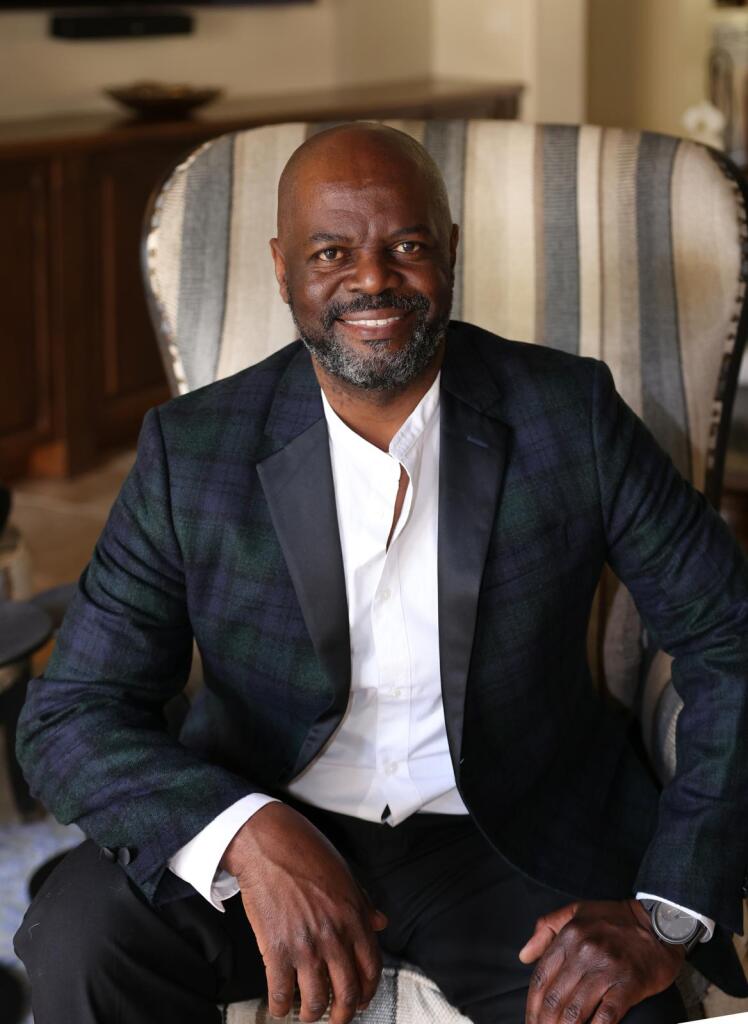
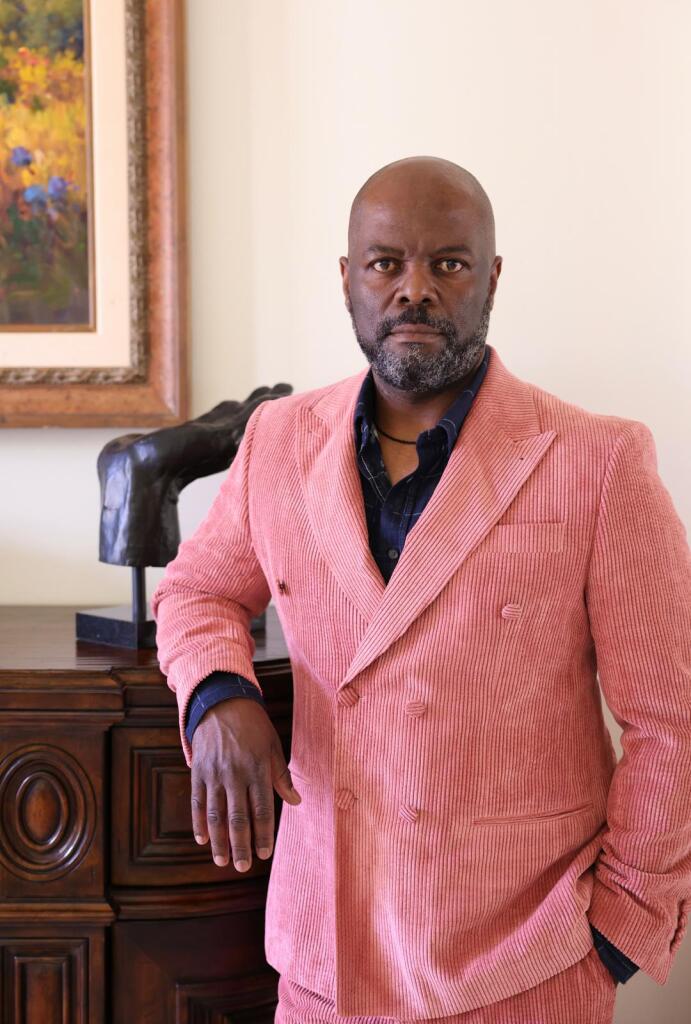
Amilcar Jacinto Marrima’s life story spans continents, cultures, and callings. He arrived in the United States as a young refugee and navigated a new world with curiosity, discipline, and faith. Over the years, his culinary education in Brazil and Mexico strengthened his craft, while his personal experiences shaped a deeper purpose. Today, he stands as a Mozambican American chef, community mentor, and founder of Dining for Hope, Inc., a nonprofit committed to supporting orphans and widows. His work points to a belief that food is not only nourishment but also connection, memory, and healing. Through his cooking and humanitarian outreach, he continues to build bridges across cultures and generations, one shared meal at a time.
You arrived in the United States as a war refugee and eventually became a citizen. How did that journey influence the person and professional you are today?
The trajectory of life is often unpredictable. Having lived in a refugee camp is very humbling. I was surrounded by people who had been there far longer than I had. I heard stories of hunger, sickness, loneliness, disease, and I witnessed death. When I landed at JFK International Airport in New York, a Belgian citizen working with the United Nations UNHCR (IOM) guided me through security and handed me my documentation. My father shaped the man I am today. He was my center of gravity, and I never felt fear because he was present. He passed away in a car accident in 1994, and that loss still hurts. I hope to become at least half the man he was. His character continues to guide me both personally and professionally.
Having lived on four continents and speaking four languages, you have absorbed many cultures. How have those experiences shaped your understanding of food as both nourishment and cultural expression?
Food is more than fuel. It tells stories. Living across different continents speaking Portuguese, English, Spanish, and Ronga (a Bantu language spoken primarily in southern Mozambique) have taught me that every dish carries history, memory, geography, and identity. Through food I learn about habits, traditions, faith, and the values people hold close. A simple ingredient can reveal a climate, a region, and the struggles or triumphs of a community.
When I sit at a table in a new country, I am not just tasting ingredients. I am tasting migration, colonization, trade routes, celebrations, hardships, and creativity. Food allows me to connect with strangers without language barriers. It teaches patience, respect, curiosity, and humility. For me, food remains one of the most powerful cultural expressions in the world because it nourishes both body and relationship. It opens doors, creates conversation, and helps us understand who we are and where we come from.


What led you to create Dining for Hope, and how does it connect your culinary expertise with your commitment to helping orphans and widows around the world?
During the second month of the COVID-19 shutdown in 2020, everything became silent. No cars, no planes, no everyday noise. One morning I heard birds singing in a eucalyptus tree and realized they had always been there. I was simply too busy to hear them. In that quiet moment, I asked myself what I had done for humanity. I spoke with loved ones and decided to take every small charitable act from my past and grow it into something larger. That became Dining for Hope, Inc., an effort to support children in orphanages and women living in refugee camps. Whether someone comes from a city, village, or camp, everyone is a refugee from something in life.
You have described your ambition to serve as a Food Ambassador to the world. What does that role mean to you, and how can Mozambique’s cuisine contribute to global culinary conversations?
Mozambique’s culinary heritage is deeply rooted in indigenous food traditions with Portuguese and Goan influence. With the longest coastline in Africa, Mozambique offers rich and diverse flavors. I hope to work with Mozambican and African American chefs to share its beauty with the world.
Your training in Brazil and Mexico introduced you to classical and regional techniques. How do these influences appear in the way you design menus or teach others about food?
French techniques may be the global standard now, but ingredients come from all continents. Long before formal methods existed, civilizations such as the Pigmies, Mayans, Aztecs, Mongols, and Amazigh had their own cooking systems. I will always be a student of culinary history. When teaching youth, I encourage them to think like a chemist when they cook, like an architect when they plate, and like a servant when they nourish others.
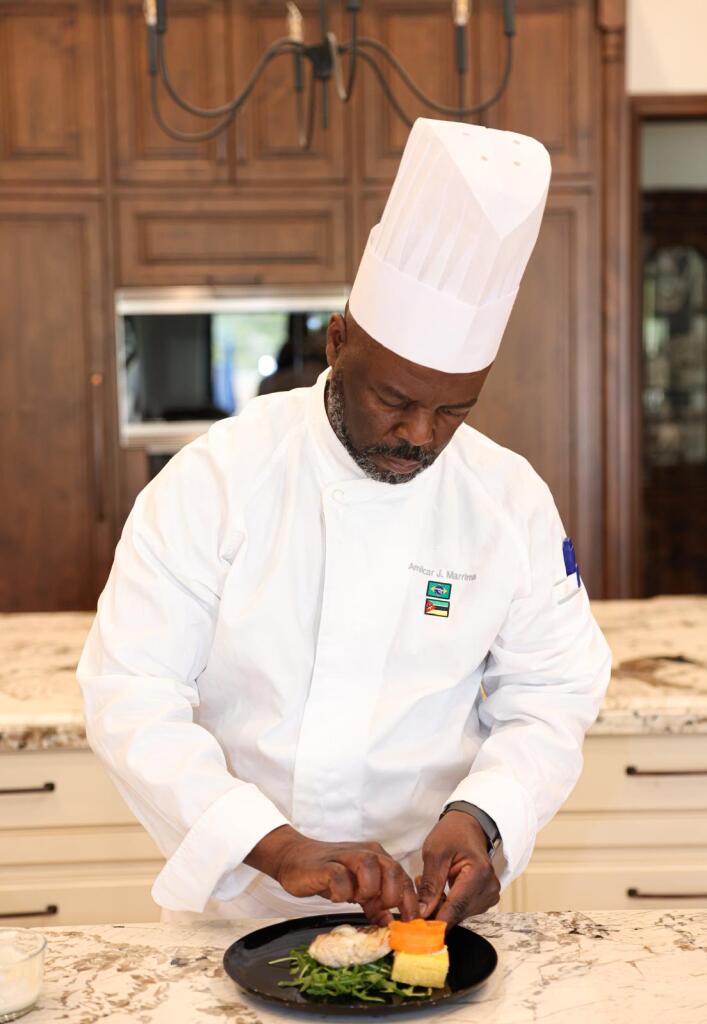
Managing professional kitchens requires equal parts, artistry and discipline. How do you ensure quality, safety, and inspiration remain at the center of your work?
Value your workplace by being punctual and prepared. The kitchen is a living organism and every person in it plays a role. Respecting time, space, and workflow builds trust. I believe the emotions we carry show up in the food we prepare, so I pay attention to my state of mind. A calm and focused chef produces a calm and confident plate.
Food safety is never optional. Anyone who handles food should understand sanitation, temperature control, and proper storage. One mistake can harm someone. Excellence requires constant training, vigilance, and humility.
Teamwork matters. When every member feels respected and heard, they take ownership and perform with pride. Inspiration comes from staying curious, learning from others, and remembering that every plate has a purpose.
You have mentored young people and organized community events, bringing diverse groups together. What have those experiences taught you about leadership and the social power of food?
Immigration can be a powerful catalyst for growth. It allows life experiences to be exchanged and teaches us what is important to others. Lead by wanting people to succeed and remain open to learning about their journey without judgment. Food brings everyone to the same table, whether friend or stranger. It softens barriers and builds empathy. We should share more meals for a better world.
Looking ahead, what message or legacy would you like your career to leave for those who believe that food can change lives?
Respect your ingredients. Food comes from the earth, from farmers, from fishermen, from someone’s labor and sacrifice. Treat it with dignity. Stay curious and never believe you have learned enough.
Use food as a bridge for peace and understanding. A shared meal can soften conflict, build friendship, and give dignity to those who feel unseen. I hope to inspire others to cook with compassion and teach generously.
Above all, love God and love people. That is the message behind everything I strive to do.