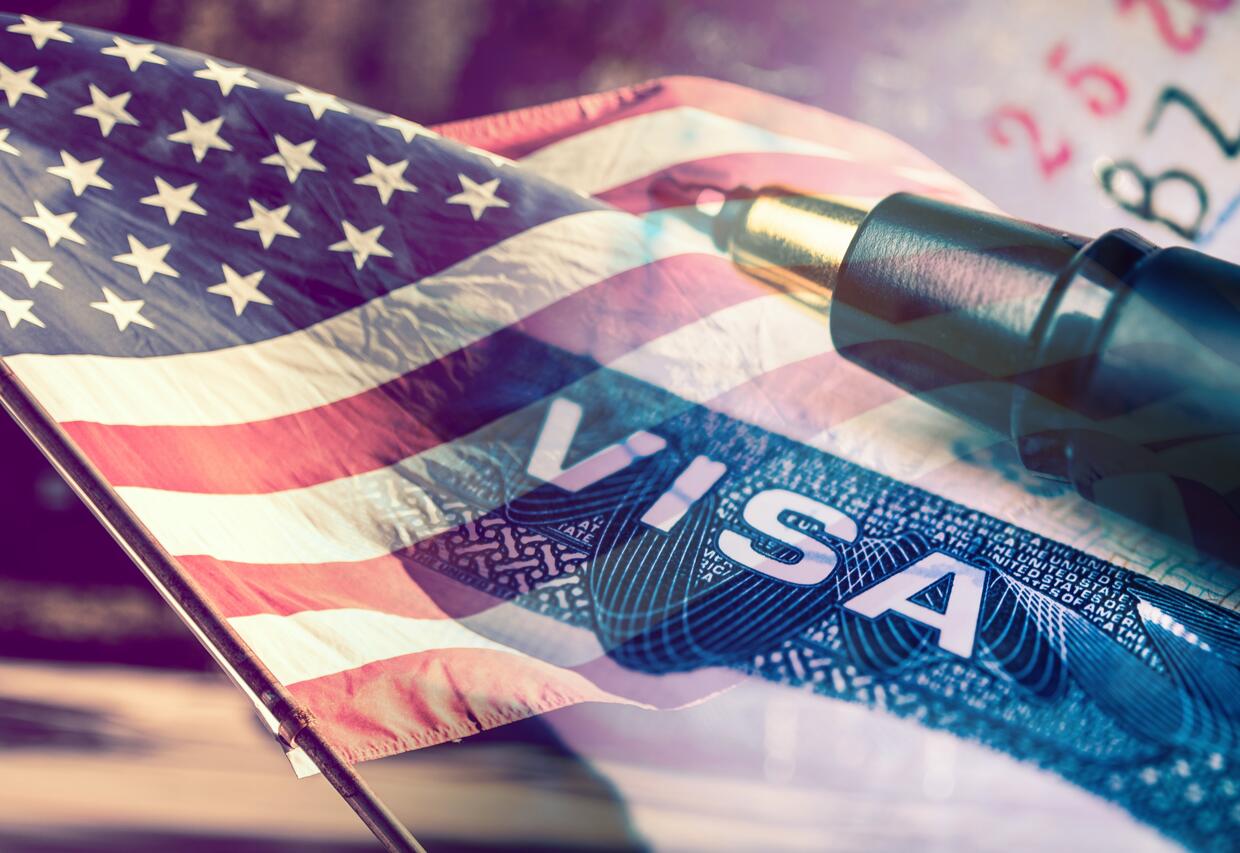
The U.S. State Department has revoked more than 6,000 student visas since Secretary of State Marco Rubio took office earlier this year, a move the Trump administration says is aimed at protecting national security and enforcing immigration laws.
According to officials, roughly 4,000 of the revoked visas were tied to law violations — including assault, burglary, driving under the influence, and alleged support for terrorism.
“Over the past seven months, the State Department has revoked over 6,000 student visas for overstays and criminal conduct,” a department spokesperson confirmed Monday. “We will continue to take decisive action where U.S. security interests are at stake.”
Rubio’s Aggressive Approach
Rubio, who was sworn in as Secretary of State in January, has taken a hardline stance on foreign students, particularly those from China and the Middle East.
In March, he told reporters that visa cancellations were happening “daily” and warned that students involved in anti-Israel protests or activism would face heightened scrutiny.
“Every time I find one of these lunatics, I take away their visas,” Rubio said at the time, accusing some student activists of harboring extremist sympathies. Critics, however, argue that he is conflating political dissent with security threats.
High-Profile Cases Spark Backlash
The crackdown has not been without controversy. Two high-profile cases have already challenged the administration’s authority:
- Mahmoud Khalil, a legal U.S. resident of Palestinian origin and a leader of pro-Palestinian protests at Columbia University, was detained earlier this year. A federal judge ordered his release in June, calling the government’s actions excessive. Khalil has since filed a lawsuit, accusing the administration of trying to “terrorize” him for exercising free speech.
- Rumeysa Ozturk, a Turkish graduate student at Tufts University, was detained in May by masked plainclothes agents after writing a newspaper piece critical of Israel. She was later freed by a judge, pending further legal proceedings.
Civil rights groups have condemned these arrests, warning that the government’s approach risks criminalizing dissent and undermining academic freedom.
Legal Debate Over Rights of Foreign Students
Rubio insists that the administration has broad discretion over visas, arguing that non-U.S. citizens are not entitled to constitutional protections such as free speech.
“The United States has the sovereign right to decide who can and cannot stay within its borders,” Rubio stated last month, defending the cancellations.
Legal experts, however, note that while the government does have wide authority over visas, its actions may still be subject to judicial review when issues of due process arise.
Bigger Picture: Trump’s Immigration Agenda
The sweeping visa cancellations align with President Donald Trump’s broader immigration agenda, which has emphasized border enforcement, mass deportations, and strict oversight of foreign nationals.
Last week, Trump reiterated his commitment to “restoring order” to America’s immigration system, telling reporters in Washington:
“We will not allow people who break our laws or support terrorism to hide behind student visas. America’s safety comes first.”
What Comes Next?
The State Department has not provided a breakdown of the nationalities affected by the revocations, but officials hinted that students from China are under particular scrutiny.
With more lawsuits expected, legal challenges could determine just how far the administration can go in using visa powers to curb political activism among foreign students.
For now, the sharp escalation in visa revocations has sent a chilling message across U.S. campuses — raising questions about whether academic spaces will remain open forums for global debate.