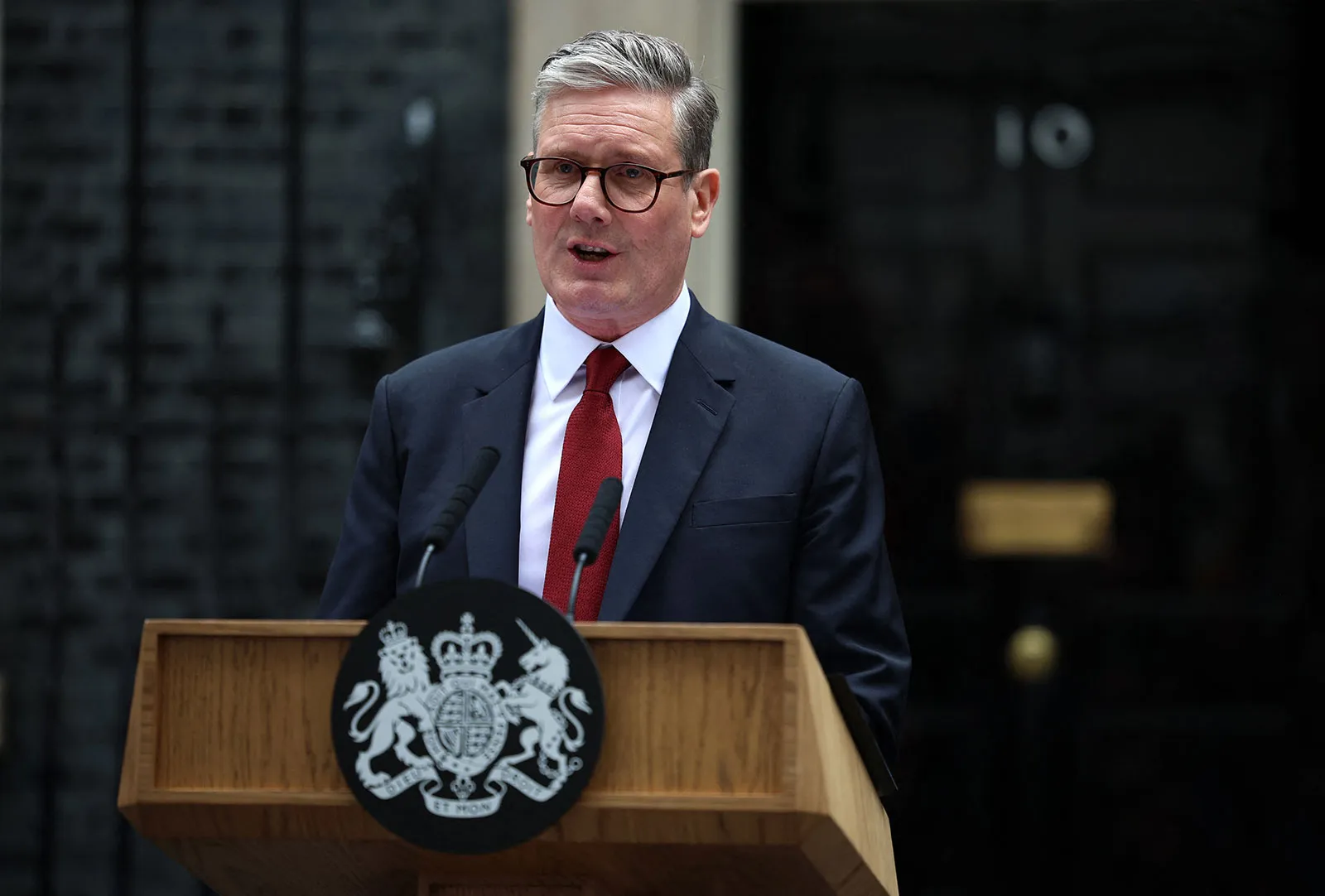
In a pivotal address set for Monday afternoon at the Institute for Fiscal Studies, Prime Minister Keir Starmer will lay out a revamped blueprint for overhauling Britain’s social security system—a cornerstone of Labour’s economic reset amid mounting pressures from inflation, sluggish growth, and a ballooning benefits bill projected to hit £70 billion annually by decade’s end. The speech, extracts of which were previewed by Downing Street over the weekend, comes just days after Chancellor Rachel Reeves unveiled a £25 billion tax hike in last week’s Autumn Budget to fund cost-of-living relief measures, including energy bill caps and child poverty initiatives. While markets responded tepidly—gilt yields dipping 5 basis points on Friday—the package drew fire from Conservatives, who accused Reeves of “fudging” pre-budget fiscal warnings, a charge she dismissed in Sunday interviews as “Tory revisionism.”
Starmer’s intervention arrives against a backdrop of domestic turbulence for the Labour government, now seven months into its term following the July 2024 landslide. Polling from YouGov shows approval ratings hovering at 38%, battered by perceptions of economic stasis: GDP growth limped to 0.6% in Q3 2025, unemployment ticked up to 4.4%, and real wages have stagnated at pre-pandemic levels despite 2.5% headline inflation. The £1.2 trillion national debt, now 98% of GDP, underscores the fiscal tightrope, with the Office for Budget Responsibility (OBR) forecasting a £22 billion “black hole” that Reeves’s budget partially plugged through employer National Insurance hikes and capital gains tax tweaks—measures that, while progressive, have sparked business lobbying for relief.
At the heart of Starmer’s pitch is a candid reckoning with the welfare state’s unintended consequences. “We have to confront the reality that our welfare state is trapping people, not just in poverty, but out of work,” he will declare, according to advance texts. Drawing on fresh Department for Work and Pensions (DWP) data, Starmer will highlight the stark surge in economic inactivity: Over 9.4 million working-age adults—22% of the 16-64 cohort—are sidelined, including a record 2.8 million young people on long-term sickness benefits, up 40% since 2019. Mental health claims, particularly for anxiety and neurodivergence, have quadrupled among under-25s, fueled by post-pandemic isolation and a creaking NHS waiting list topping 7.6 million.
“If you are simply written off because you’re neurodivergent or disabled, then it can trap you in a cycle of worklessness and dependency for decades,” Starmer plans to say. “That costs the country money, is bad for our productivity, but most importantly of all—costs the country opportunity and potential.” His reforms, he argues, aim to “remove the incentives which hold back the potential of our young people” by blending compassion with activation—shifting from passive payouts to tailored support that unlocks human capital.
The package builds on lessons from last summer’s aborted push, when over 120 Labour MPs rebelled against proposed £5 billion cuts to disability and sickness benefits, forcing a U-turn that exposed fault lines in Starmer’s centrist pivot. This iteration softens the edges: No outright slashes, but a £3 billion reallocation over five years to expand apprenticeships for 500,000 under-25s, including targeted programs for neurodiverse learners via partnerships with firms like Microsoft and BT. A new “Opportunity Guarantee” would mandate personalized “return-to-work” plans for new claimants after six months on universal credit, integrating mental health counseling, skills bootcamps, and flexible job placements—drawing inspiration from Denmark’s flexicurity model, which boasts 75% employment rates for disabled workers.


Complementing the welfare revamp, Starmer will unveil regulatory easings to ignite private sector dynamism: Scrapping 1,000+ “red-tape” rules from the post-Brexit bonfire, fast-tracking planning for green infrastructure like offshore wind farms (aiming for 50 GW by 2030), and a £1 billion “Growth Accelerator Fund” for SMEs in high-potential sectors like AI and biotech. These moves address Tory jabs at Labour’s “anti-business” bent, with the CBI estimating that streamlined rules could add 0.5% to annual GDP growth—vital as the UK lags the G7 average by 1.2 percentage points.
The speech also nods to broader Labour tensions. Backbenchers, including the “soft left” faction led by figures like Clive Lewis, have chafed at Starmer’s focus on countering Reform UK’s anti-immigration surge—polling at 18% nationally—over traditional red-meat issues like wealth taxes. A June rebellion saw 192 MPs defy the whip on a Gaza ceasefire vote, and whispers of a “progressive alliance” with the Greens persist. Starmer’s team, however, sees the reforms as a unifying force: By framing welfare as “investment in potential,” they bridge fiscal hawks like Reeves with social justice advocates, potentially reclaiming 2 million inactive workers and easing the £120 billion annual benefits spend.
As Starmer takes the podium—flanked by Work and Pensions Secretary Liz Kendall and shadow business secretary Jonathan Reynolds—the stakes are existential. With by-elections looming in marginal seats and Reform nipping at heels in the Red Wall, this could be the narrative reset Labour craves. Yet, implementation hurdles loom: The DWP’s creaking IT systems, already delaying 20% of claims, and union pushback from Unison over “sanction creep” could derail delivery. For a government that swept in on vows of “change,” Starmer’s words tomorrow won’t just defend policy—they’ll define direction in a nation grappling with quiet desperation.